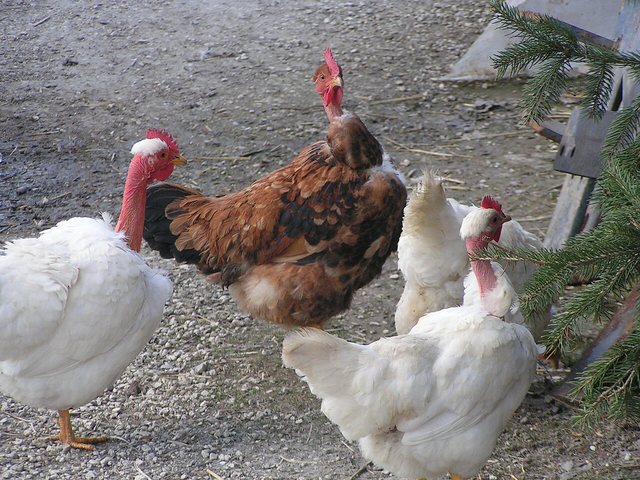
Notice the pattern
Record which hens are affected and where feather loss appears. Observe feeding, movement and interaction as well as plumage. Photographs taken without stressful handling can help track changes over time.
Maintain a balanced diet
Continue an appropriate complete feed and fresh water. Discuss dietary concerns with a poultry professional before adding supplements. Replacing much of the normal ration with treats can make nutritional assessment harder rather than helping.
Review the environment
Check weather protection, dry resting areas and access to resources. Watch for other hens pecking exposed areas. Provide suitable space and enrichment, and seek advice promptly if there is injury or persistent bullying.
Know when to ask
Contact a vet about skin damage, marked behaviour changes, poor condition or uncertain feather loss. Suspected parasites need proper identification and treatment advice. Do not assume a calendar date proves that every affected hen is simply moulting.
Keep it practical
Your checklist
- Record individual changes
- Keep feed consistent
- Watch for pecking
- Ask about uncertain feather loss
Sources & further reading
Sources offer further context; a link is not an endorsement of this publication. This guide is general information and does not replace care from a vet familiar with your animal.
See our editorial policy and commercial disclosure. Please tell us about an error.