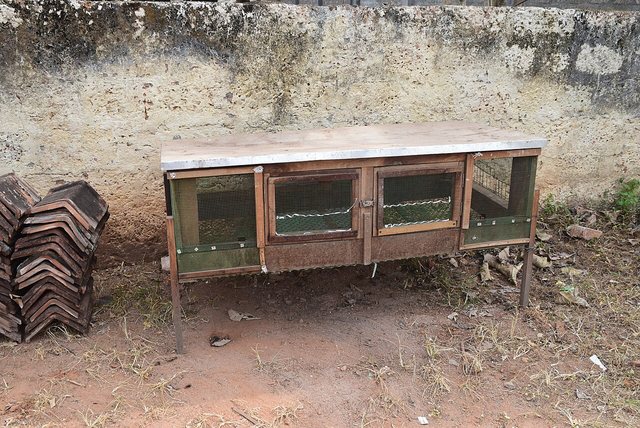
Trace the water route
Watch the run during rain from a safe position. Mark roof drips, puddles and runoff from neighbouring ground. Repair a leaking roof or gutter before adding more loose material to a persistently wet patch.
Protect essential stations
Place food and water in sheltered positions that remain accessible to every hen. Keep covers high and secure enough for normal movement and airflow; a low sheet over the whole run can create cramped, poorly ventilated conditions.
Maintain a dry refuge
Remove saturated material and address the cause. Keep an area where hens can stand and rest on dry footing. Choose run surfacing with advice suited to your soil, flock and waste-disposal arrangements.
Check after the next storm
Walk the same route after repairs. Look beneath feeders and around doors, not just at the centre of the run. Record recurring wet spots so maintenance addresses drainage instead of repeatedly concealing it.
Keep it practical
Your checklist
- Map roof runoff
- Keep access routes dry
- Inspect covered stations
- Review the next rainfall
Sources & further reading
Sources offer further context; a link is not an endorsement of this publication. This guide is general information and does not replace care from a vet familiar with your animal.
See our editorial policy and commercial disclosure. Please tell us about an error.