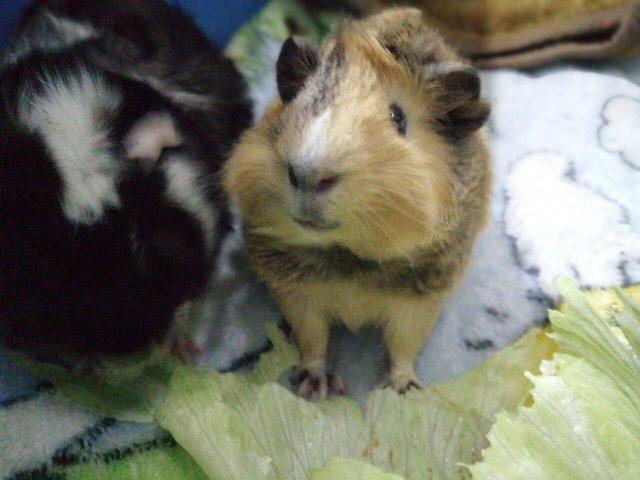
Watch before intervening
Identify who arrives first, who waits and whether anyone is pushed away. Check hay and water as well as fresh food. Repeat observations at ordinary feeding times rather than judging a single unusual moment.
Spread suitable stations
Use more than one accessible feeding or drinking point where needed. Keep routes wide and avoid corners with only one exit. Maintain the overall appropriate daily diet when distributing portions across locations.
Record individual changes
Note appetite, weight records if advised, and activity. A quiet animal may be unwell rather than simply shy. Contact your vet promptly when eating decreases or other concerning signs appear.
Seek help with conflict
Ask an experienced rescue or vet about persistent guarding or fighting. Do not repeatedly rearrange companions without advice. Environmental changes should support a compatible group, not conceal a relationship that needs assessment.
Keep it practical
Your checklist
- Observe individuals
- Provide several access points
- Record changes
- Seek help for persistent conflict
Sources & further reading
Sources offer further context; a link is not an endorsement of this publication. This guide is general information and does not replace care from a vet familiar with your animal.
See our editorial policy and commercial disclosure. Please tell us about an error.