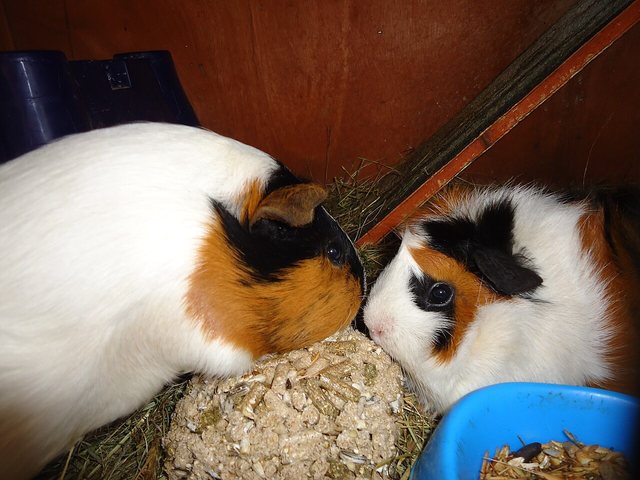
Assess the indoor space
Choose a quiet, ventilated location away from radiators, direct sun and other pets. Measure usable floor area with hides and feeding equipment in place. A temporary indoor cage should still support normal movement and companionship.
Plan the transition
Seek advice about timing and temperature differences. Avoid repeatedly moving animals between sharply different conditions. Keep the bonded group together unless a professional advises otherwise, and retain suitable familiar equipment.
Protect household routines
Manage cables, doors and cleaning products around the new location. Explain feeding responsibilities to everyone. Check that ordinary activities such as vacuuming or laundry do not repeatedly disturb the sleeping and retreat areas.
Monitor after moving
Watch eating, droppings, activity and access to water. Contact your vet about concerning changes. Review whether the new location stays comfortable across a full day rather than judging it at the moment of the move.
Keep it practical
Your checklist
- Prepare adequate space
- Avoid temperature swings
- Keep companions together
- Monitor daily routines
Sources & further reading
Sources offer further context; a link is not an endorsement of this publication. This guide is general information and does not replace care from a vet familiar with your animal.
See our editorial policy and commercial disclosure. Please tell us about an error.