Check the structure and access points
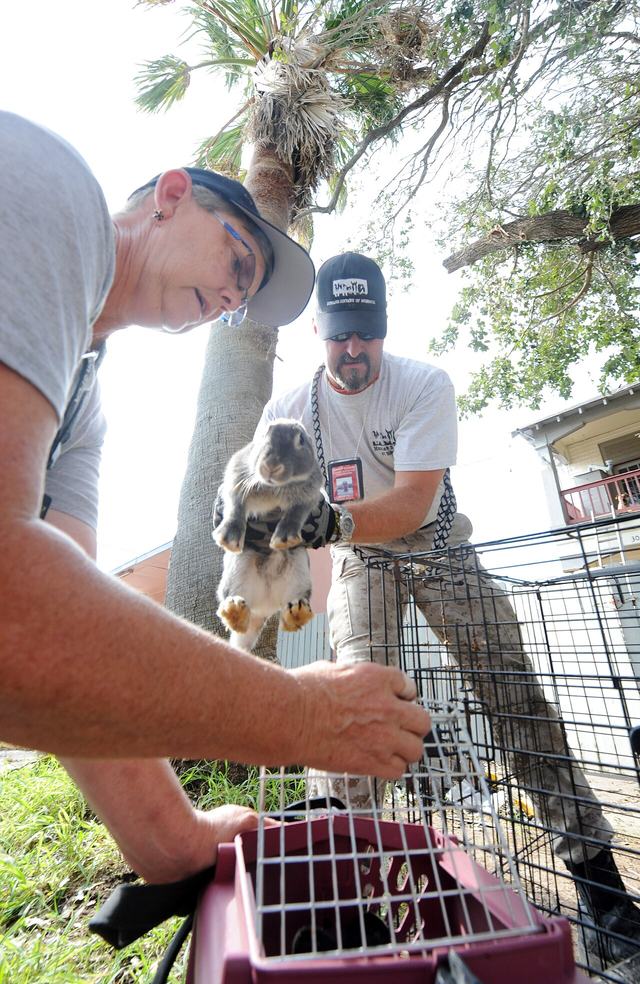
Look for a sturdy carrier with ventilation, a secure closure, and surfaces that cannot be easily chewed through. Inspect the door, fasteners, handles, and base while the carrier is empty. Lift it slightly over a clear floor to check that parts remain connected, then inspect again after cleaning. The RSPCA recommends a secure, well-ventilated carrier for rabbit transport. Ask your veterinary clinic about the most practical opening style and whether bonded rabbits should travel together in your particular circumstances.
Prepare footing and a familiar resting surface
Choose lining that stays reasonably stable and does not have loose threads or pieces that create a hazard. Test whether it slides on the carrier floor. Bring spare clean lining in a separate bag so an accident does not leave you without a replacement. Keep clean and used materials separate during the journey. Ask the clinic what food and water arrangements are appropriate for the expected duration and the rabbits' health, especially if the appointment involves a procedure. Do not assume instructions written for dogs apply to rabbits.
Practice access without forcing the schedule
Where safe, leave the open carrier available in the rabbits' normal area so it becomes a familiar object. Make sure the door cannot swing shut unexpectedly. Observe whether the entrance is easy to cross and whether the carrier blocks a favorite route. Short, calm practice sessions are more informative than chasing a rabbit into the carrier immediately before departure. If loading is difficult, ask the clinic to demonstrate a safe method. Prepare the room so an attempted exit does not send the rabbit behind heavy furniture.
Plan the journey from room to clinic
Clear the walking route, open necessary doors in advance, and decide how the carrier will be secured in the vehicle according to its instructions. Avoid leaving rabbits unattended in a parked vehicle. Confirm the clinic address, arrival process, and a phone number before setting out. Bring relevant records and a concise description of any changes in eating, droppings, or movement. Keep the carrier level and minimize unnecessary stops. For a long trip, discuss breaks and the rabbits' needs with the vet beforehand.
Rehearse the household part of the trip without the rabbit first. Carry the empty, prepared carrier through doorways and confirm where it can be set down securely while a door is opened. Check who will hold keys and records and how the vehicle will be reached if it is raining. Ask the clinic about arrival arrangements before the appointment if waiting-room access is uncertain. Keep the carrier upright during this practice and follow its handling instructions. Solving these small logistical problems in advance leaves the actual journey with fewer pauses and fewer reasons to improvise.
Reset after each use
Inspect the carrier once home, remove soiled lining, and clean it using a method suitable for the materials and animals. Allow it to dry fully before storage. Note a sticking latch, damaged corner, or awkward handle immediately so it is fixed before the next trip. Keep the carrier accessible rather than buried behind seasonal storage. Put the spare lining and care records together in a clearly marked place. A sitter should know where they are and have permission and contact information for obtaining veterinary help.
Keep it practical
Your checklist
- Inspect the base, door, handles, fasteners, and ventilation.
- Prepare stable lining and a separate clean spare.
- Confirm food, water, and procedure instructions with the clinic.
- Practice calm access before travel is necessary.
- Plan vehicle securing and avoid unattended parked-car waits.
- Clean, dry, inspect, and restock the carrier after returning.
Sources & further reading
Sources offer further context; a link is not an endorsement of this publication. This guide is general information and does not replace care from a vet familiar with your animal.
See our editorial policy and commercial disclosure. Please tell us about an error.