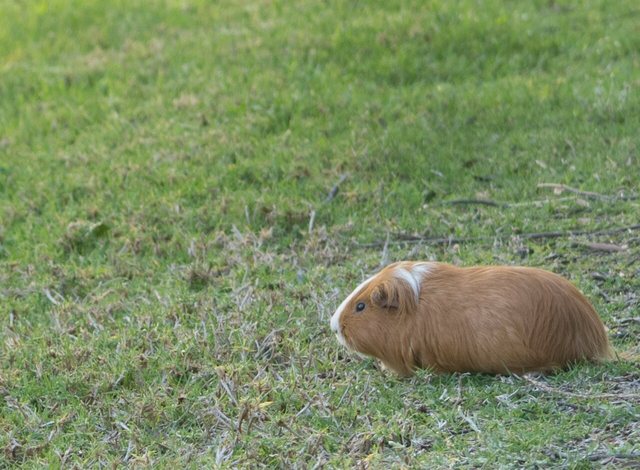
Close access gaps
Check under furniture, around appliances and beneath doors. Remove cables, small objects and unsafe plants. Use stable barriers that cannot collapse if a person brushes against them or an animal pushes at an edge.
Provide secure footing
Choose a suitable non-slip surface that can be cleaned and dried. Avoid leaving guinea pigs on cold, wet or slippery flooring. Protect household surfaces without introducing loose plastic or chewable backing.
Bring familiar cover
Add suitable hides and tunnels with open routes between them. Include water and hay if appropriate to the session. Let animals explore at their own pace instead of repeatedly lifting them into the middle of an exposed area.
Supervise the return
Keep other pets and unsupervised children away. Watch interactions and end the session calmly. Count and identify every animal as they return, then check the area for soiling and damage before storing equipment.
Keep it practical
Your checklist
- Block gaps
- Prepare safe footing
- Provide familiar cover
- Supervise throughout
Sources & further reading
Sources offer further context; a link is not an endorsement of this publication. This guide is general information and does not replace care from a vet familiar with your animal.
See our editorial policy and commercial disclosure. Please tell us about an error.