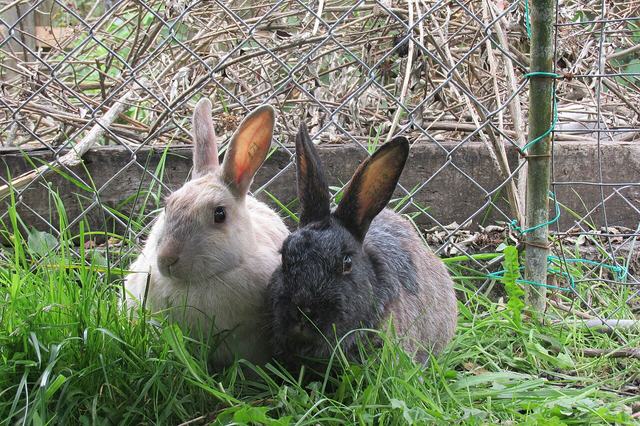
Measure the inside, including the connected area
Ask for internal dimensions rather than relying on the outer footprint. Subtract space occupied by fixed dividers and equipment that blocks movement. Draw the enclosure at scale with a litter tray, shelters, food and water. The RSPCA recommends at least 3 metres by 2 metres by 1 metre high for two medium-sized rabbits, with shelter and exercise space continuously available. Treat this as a welfare recommendation and consider the individual rabbits' needs.
Check access from the rabbit's point of view
Look closely at the route between sleeping and exercise areas. It should remain accessible when people are asleep or away, rather than depending on someone opening a door for a brief outing. Assess ramps, thresholds, and surface grip for the individual rabbits, especially if mobility is limited. Ask a rabbit-experienced vet about adaptations when needed. A tall cabinet with several small shelves does not automatically provide the same useful movement as a clear, connected floor area. Prioritize a layout you can inspect and maintain.
Test the human access too
Before ordering, map the enclosure's door swings in the room or garden. Measure whether you can remove the largest tray without tilting dirty contents over the bedding. Consider reaching the farthest corner, checking a rabbit in a shelter, and changing water without climbing through a narrow hatch. Product videos can help, but ask the seller about an unclear dimension before purchase. If the unit arrives flat-packed, find out which panels are replaceable and whether the instructions explain secure anchoring and maintenance.
If shopping online, draw the entrance and panel heights on your plan rather than relying on a lifestyle photograph. Ask the seller for a close view of each latch, the floor junction, and the way adjoining panels connect. Write down any unanswered measurement before ordering. During assembly, keep packaging and small fasteners outside the animal area, and confirm the finished interior against the advertised dimensions. Photograph the completed arrangement for your own maintenance reference. This creates a practical record if you later need a matching replacement panel or must explain an assembly problem to the supplier.
Evaluate materials in the intended setting
Indoor and outdoor placement create different demands. For an indoor unit, think about chewing, washable surfaces, and protection of the floor underneath. For an outdoor setup, examine weather protection, security, and the complete exercise area as one system. Do not assume a product name such as deluxe or predator resistant establishes performance. Ask what testing or construction detail supports the claim. The RSPCA's housing guidance calls for comfortable solid flooring and protection from hazards; use those needs to frame questions about the actual materials.
Compare the cost of ownership, not only checkout
List the equipment needed to make each option usable: compatible barriers, washable floor protection, shelters, trays, and any replacement fasteners. Add delivery and assembly help if necessary, using current seller quotations rather than guessed prices. Keep a record of the return window before assembling or altering parts. A cheaper enclosure may become expensive if its design makes cleaning difficult or replacements impossible to obtain. The strongest shortlist is the one that meets the rabbits' needs and can be managed reliably every day.
Keep it practical
Your checklist
- Record internal dimensions and draw the furnished floor plan.
- Confirm living and exercise areas remain connected.
- Measure tray removal and door clearance in the intended location.
- Read material, assembly, security, and maintenance instructions.
- Ask for evidence behind specific performance claims.
- Compare delivered cost plus the parts needed for a complete setup.
Sources & further reading
Sources offer further context; a link is not an endorsement of this publication. This guide is general information and does not replace care from a vet familiar with your animal.
See our editorial policy and commercial disclosure. Please tell us about an error.