Observe before choosing the location
For a few ordinary days, note the places your rabbits use and the paths they follow between resting and feeding. Choose an accessible corner that does not narrow the main route through their living space. Keep the tray out of the swing of a door and away from equipment that makes sudden noise. If the current arrangement is working, change one feature at a time. Moving every resource together makes it harder to see whether a particular change helped or made access worse.
Measure the usable tray interior
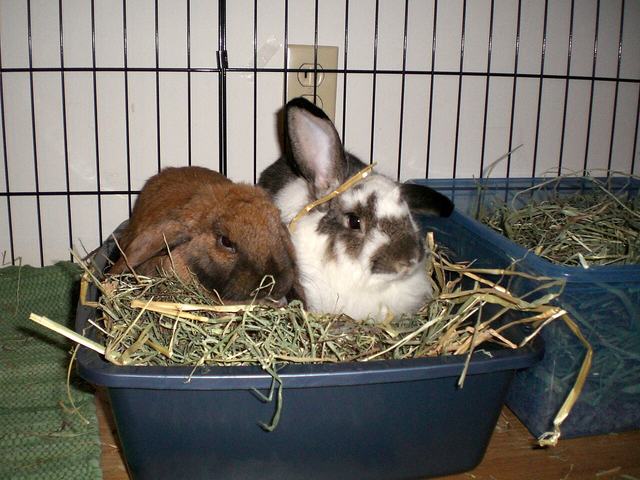
External measurements can hide a surprisingly small usable base. Check whether the rabbit can turn without standing partly on a rim, and consider how a bonded companion uses the area. Entry height should suit the individual animal. An older rabbit or one with mobility problems may need a different design and veterinary guidance. Look for a stable base, smooth edges, and a surface that you can inspect and wash. Avoid solving every spill with a higher wall if that also makes entry difficult.
Choose supplies you can manage consistently
Ask a rabbit-experienced vet or rescue about suitable litter materials if you are uncertain. Product scent, dust, chewing behaviour, and cleaning demands all deserve attention. Keep the package so you can identify the material if a problem occurs. Store a manageable amount beside the cleaning area, safely out of reach, and retain enough of the established product for a transition if a change is recommended. A bulk purchase is not a saving when the material proves unsuitable or has nowhere dry to live.
Create a clean-to-dirty workflow
Keep clean scoops and replacement supplies separate from used litter and wastewater. Choose a waste container you can close securely and empty often enough for the household. Follow the instructions on any cleaning product, including rinsing and drying where required, before the tray returns to use. Do not mix cleaners. Have a spare tray if drying time otherwise forces you to put equipment back wet. Photograph the finished arrangement so a sitter can replace the tray in the right orientation without guessing.
Set the replacement materials within reach before starting, but outside the rabbits' access. Having a clean tray or prepared supplies ready reduces the time the usual toilet location is unavailable. Keep a separate container for used material so it cannot spill back across the clean route. After returning the tray, check that it sits flat and that its entrance has not shifted behind another object. Leave a brief note if you changed the material or position. This makes it easier to connect a later change in use with a specific adjustment rather than relying on memory.
Use changes as information
Watch for repeated difficulty entering, a rabbit resting in unusual places, or a sudden change in toileting habits. Record when the change began and whether furniture, litter, food, or routines also changed. Contact a vet about new or persistent concerns, especially when appetite or droppings change. UC Davis includes regular environmental care in its rabbit care guidance; a clean tray is one part of observing the whole animal. Adjust the household setup after addressing health concerns rather than assuming stricter training is the answer.
Keep it practical
Your checklist
- Check that every rabbit can enter, turn, and leave comfortably.
- Keep the tray clear of door swings and busy passages.
- Record the litter product and avoid unplanned substitutions.
- Separate clean supplies from used litter and wastewater.
- Leave a dry spare tray or allow adequate drying time.
- Discuss sudden toileting or mobility changes with a vet.
Sources & further reading
Sources offer further context; a link is not an endorsement of this publication. This guide is general information and does not replace care from a vet familiar with your animal.
See our editorial policy and commercial disclosure. Please tell us about an error.