Start with behaviors you can observe
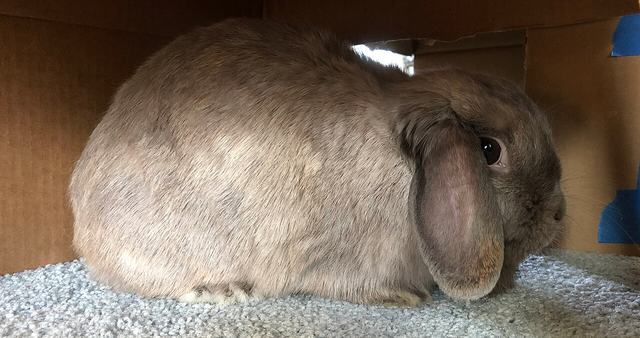
Make a short list of the activities your rabbits already choose: exploring a passage, investigating a box, searching through hay, chewing an appropriate item, or resting under cover. Plan around those behaviors. Keep the basic living area generous and usable; enrichment cannot compensate for cramped housing. The RSPCA's behaviour guidance emphasises opportunities for natural activity. For a practical home rotation, choose one activity to add or vary while the main resting and feeding places remain recognizable.
Inspect each item before it enters the room
Check cardboard for staples, plastic windows, tape, string, and coatings before offering it. Remove unsuitable parts rather than assuming a shipping box is ready to use. Make openings large enough for the individual rabbits and ensure a structure cannot collapse under nearby objects. For commercial products, read the instructions and inspect joins, small parts, and surfaces. Supervise first use and watch whether the rabbits merely shred a material or appear to swallow substantial pieces. Remove an item that creates concern and seek advice if ingestion occurs.
Make the rotation small and deliberate
Keep a simple note with three columns: item, location, and response. Swap one tunnel route or one safe chewing option rather than redesigning the whole space. An item can regain interest in a different position, so purchasing something new is not always necessary. Leave clear movement routes between resources. When two rabbits want the same object, consider a second accessible option and watch their interactions. Do not turn the activity into a competition that prevents one rabbit from using the space comfortably.
Use a short observation note instead of rating every item as a success or failure. Record what the rabbit actually did, the location, and whether it could approach and leave freely. For example, an object ignored in a busy passage may receive attention in a quieter position. Try a placement adjustment only when it remains safe and does not obstruct a familiar route. Avoid introducing several unfamiliar objects at once, because the resulting activity will be hard to interpret. Your notes should help choose the next small change, not create a target amount of play the rabbit must complete.
Keep food activities within the feeding plan
If enrichment involves food, take it from the established daily allowance or discuss the plan with the vet. A foraging activity should not silently double the amount of treats or pellets offered. Place food where it remains clean and reachable, and remove perishable leftovers promptly. Check that the slower or quieter rabbit receives access too. Write the activity on the care sheet so other family members know it has already been provided and do not repeat the same extra portion later.
Retire damaged items and preserve choice
Inspect enrichment during routine cleaning. Remove sharp edges, loose pieces, wet cardboard, or any object that now traps a foot or blocks an exit. Keep a shelf or box for clean, dry items between rotations and discard damaged ones. Preserve at least one familiar retreat so a rabbit can choose to disengage. If interest in usual activities suddenly drops, consider the wider picture, including eating and movement, and contact a vet when needed. Enrichment records are observations, not a way to diagnose illness.
Keep it practical
Your checklist
- Choose one activity based on observed rabbit behaviour.
- Remove staples, tape, strings, and unsuitable small parts.
- Keep movement routes and retreats accessible.
- Include food activities in the established feeding allowance.
- Record responses without assuming every rabbit likes the same item.
- Discard damaged materials and investigate sudden behaviour changes.
Sources & further reading
Sources offer further context; a link is not an endorsement of this publication. This guide is general information and does not replace care from a vet familiar with your animal.
See our editorial policy and commercial disclosure. Please tell us about an error.